Manhattan barrier jobs are decided by access before they’re decided by barrier type. Most sites have no on-site storage, no room to stage extra units, and delivery has to work around curbside-only conditions, DOT right-of-way rules, and whatever street-closure window the project actually has.
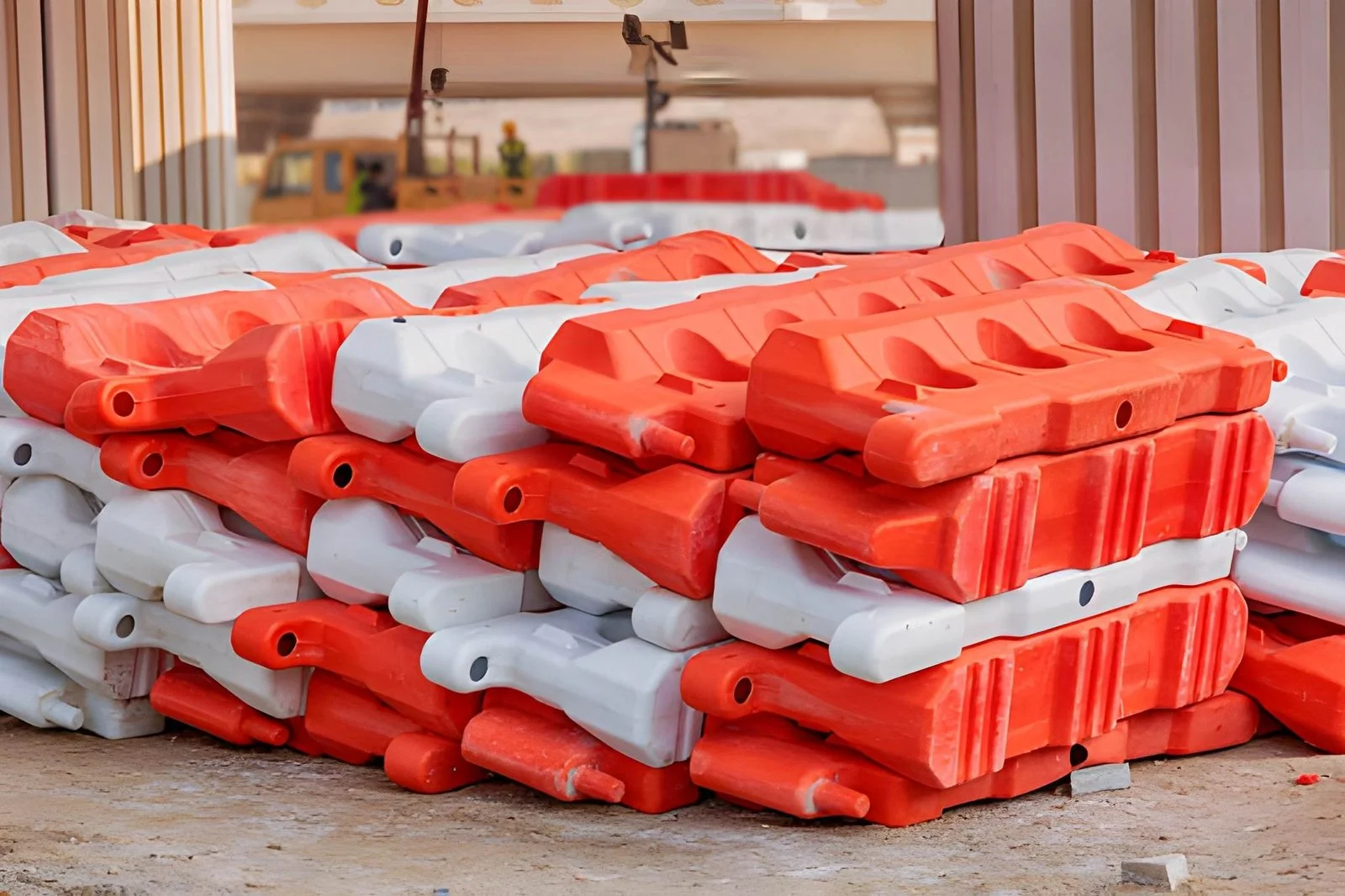
That access problem can make water-filled barriers a better fit for Manhattan sites where concrete would be difficult to deliver or place. They arrive empty, get filled on site, and don’t need a crane or heavy equipment to place along a curb.
Key barrier, application, and service details for Queens roadway, airport, and redevelopment projects.
Most Manhattan sites cannot accommodate a large buffer of unused barriers, so quantity and delivery timing need to be planned around the actual work area.
The truck may have to work from the street rather than a private site entrance. Tell us the block, access point and any restrictions when requesting a quote.
If your project has a specified delivery or placement window, that timing matters before the barrier type is finalized.
For street closures, film production and other time-sensitive work, off-hours delivery may be the practical option.
The right choice depends less on the borough itself than on the placement conditions, required separation, available staging space, and whether the barrier needs to be moved during the project.

Often the practical choice for Manhattan curbside work where access and staging space are limited. They arrive empty and can be filled on site, which makes delivery and placement easier when a crane or heavy equipment would be difficult to accommodate.
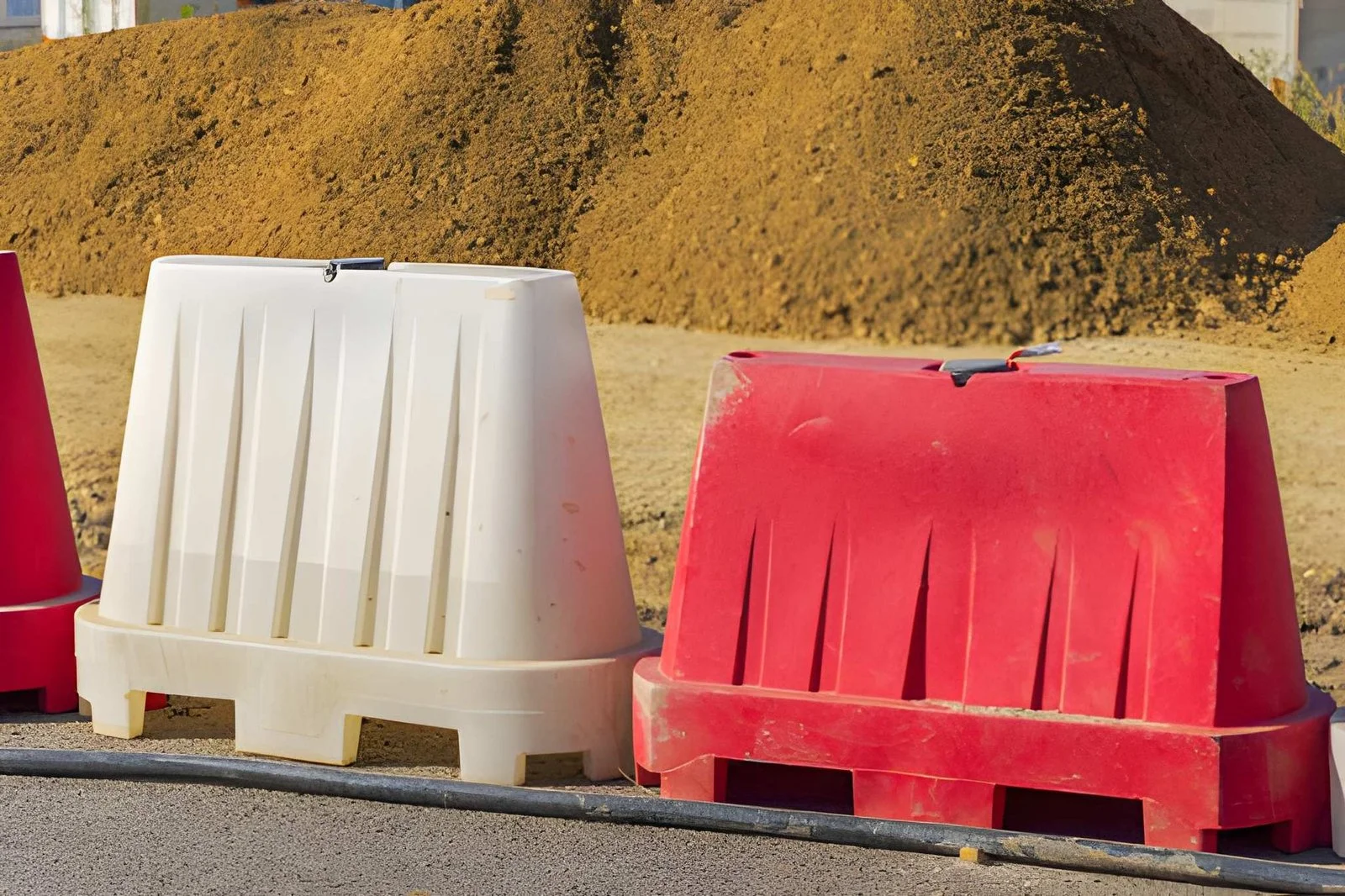
Useful where the primary requirement is visible separation, pedestrian channelization, or directing movement rather than substantial physical containment.
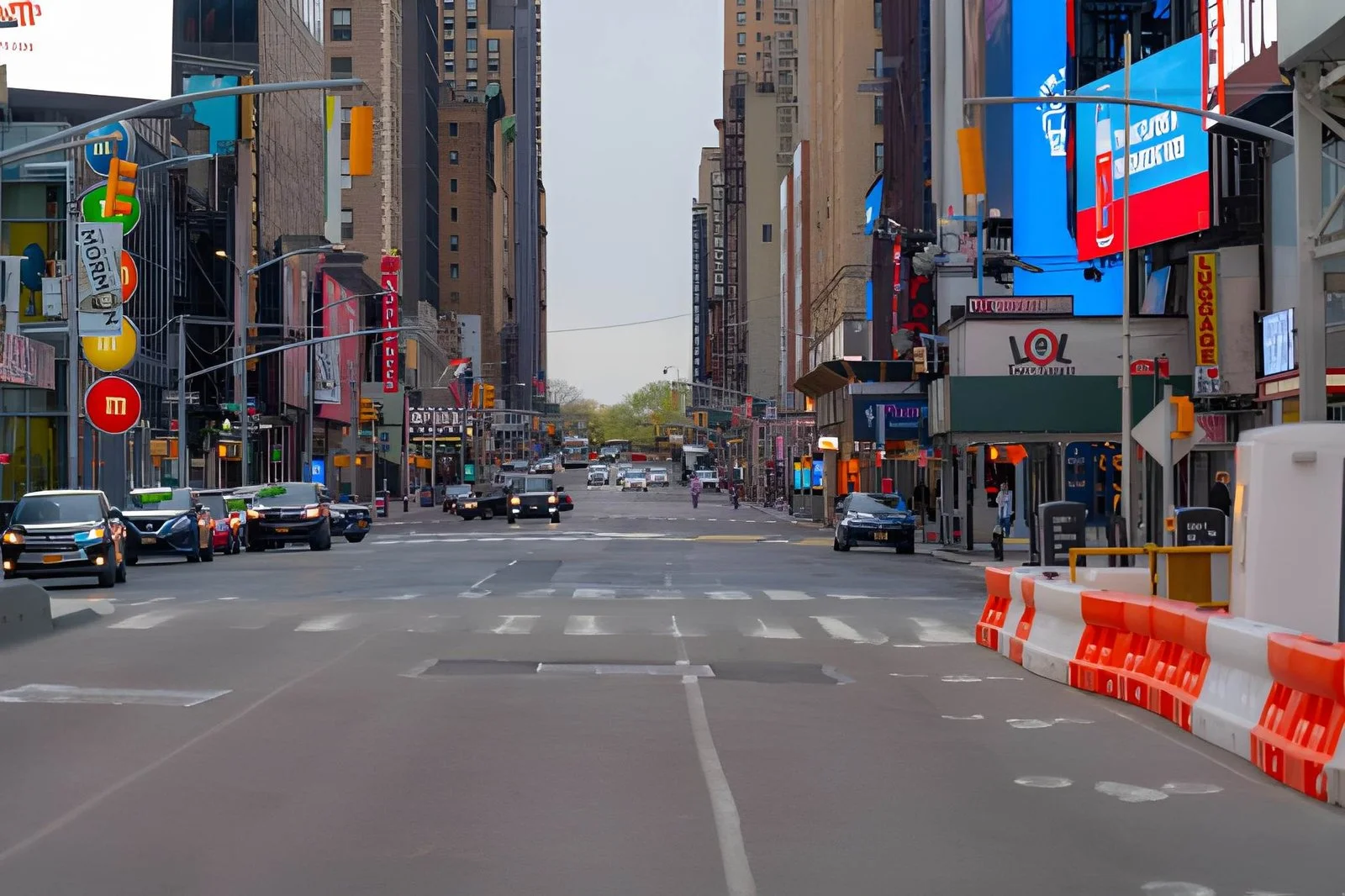
Better suited to projects where substantial mass or a project-specific protection requirement calls for concrete. On a constrained Manhattan block, delivery and placement conditions should be confirmed before choosing this option.
Midtown projects often involve street closures or lane narrowing with a defined work window. Film production can follow a similar pattern on a much shorter timeline, with a barrier line going up for a shoot and coming down the same day.
Both situations can favor water-filled units because they arrive empty and can be filled on site. That can simplify placement where bringing heavy equipment onto a constrained Manhattan block isn’t practical.
Night and weekend delivery can be the practical option when daytime street use cannot be disrupted. If your permit specifies a placement window, tell us when you request a quote so delivery and pickup can be planned around it.
Running a mixed job? We deliver temporary fencing in Manhattan and chain link fencing in Manhattan from the same yard, one call instead of coordinating three vendors across a single site.
Yes. Tell us how much space is available at the site so we can plan delivery around the actual placement area and avoid unnecessary staging.
Yes, and for many Manhattan street-closure and film production jobs, that's the realistic delivery window rather than an exception.
They arrive empty and can be filled on site, which makes them easier to deliver and place where curb access and staging space are limited.
Yes, tell us the window your permit specifies and we plan delivery and pickup around it directly.
Yes. Repositioning can be coordinated when the project layout or permitted work area changes, subject to access and scheduling.
Fence panels, chain link, and Jersey barriers from one Kew Gardens yard, delivered across all five NYC boroughs, often same-day. 24/7 emergency response, $2M general liability coverage. Serving NYC contractors since 2004.